

Yacht Chef Recruitment and Hiring Guide: Finding Exceptional Onboard Culinary Talent
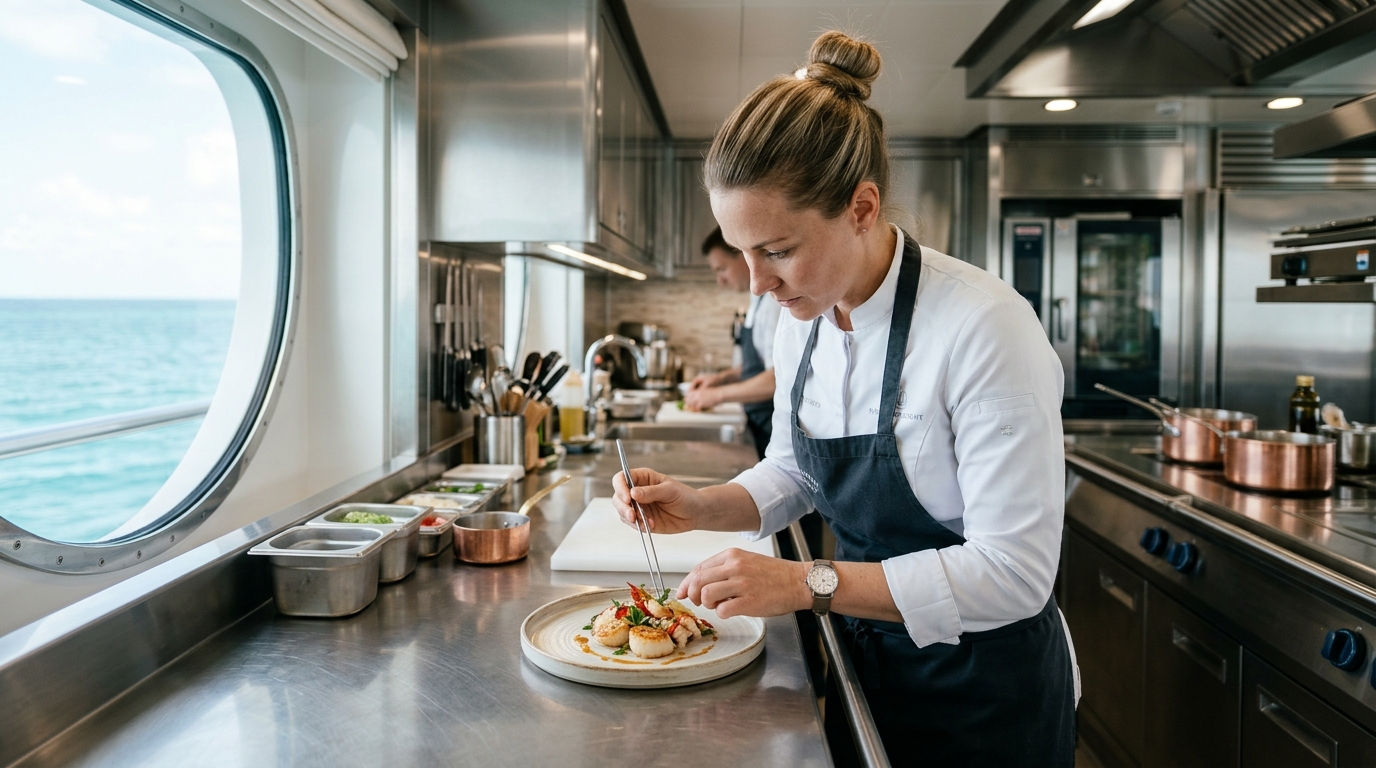
Securing an exceptional chef is one of the most critical decisions in luxury yacht management. Onboard dining directly shapes owner satisfaction and charter guest experiences, making the culinary position far more demanding than traditional land-based executive chef roles. A superyacht chef must deliver Michelin-grade cuisine, manage complex dietary requirements on demand, handle international provisioning logistics, and maintain flawless hygiene within compact galley environments. Following a structured recruitment framework ensures your vessel attracts and retains world-class culinary talent.
Defining Your Galley Requirements: Solo Chef vs. Galley Team
Before initiating candidate searches, yacht owners and captains must establish clear parameters based on vessel size, cruising itinerary, and owner preferences. Galley structures typically fall into two main operational models:
- Solo Yacht Chefs: Common on vessels ranging from 30 to 50 meters. A solo chef handles menu planning, food preparation, cooking, provisioning, budgeting, and deep galley cleaning independently.
- Galley Teams (Head Chef, Sous Chef, Galley Utility): Utilized on larger superyachts and megayachts (50m+). This structure allows for specialized roles, high-volume fine dining, and separate crew meal preparation without compromising guest service.
Understanding whether your vessel requires a solo multi-tasker or a high-end specialist is the foundation of effective comprehensive superyacht crew hiring strategies.
Essential Maritime Credentials and Culinary Qualifications
Unlike land-based luxury restaurant recruitment, yacht chef candidates must possess strict maritime safety certifications alongside culinary credentials before stepping aboard. Key documentation includes:
- STCW Basic Safety Training: Mandatory maritime security, fire-fighting, and first-aid qualifications compliant with international flag standards.
- ENG1 Medical Fitness Certificate: Official medical clearance ensuring candidate physical fitness for sea duties.
- Food Safety & Hygiene Level 3 (or Level 2 minimum): Critical certification covering food storage, cross-contamination prevention, and sanitation regulations under maritime labor conventions.
- Culinary Degree or Formal Apprenticeship: While some self-taught chefs thrive, formal training from recognized culinary institutes ensures advanced technical foundation and waste management discipline.
Key Assessment Criteria: Evaluating Galley Skills and Adaptability
Technical cooking ability is only one aspect of a successful yacht chef candidate. During background screening and interview stages, focus on these critical operational attributes:
1. Provisioning and Stock Management Under Sea Conditions
A yacht chef must anticipate food supply needs weeks in advance, especially during transatlantic crossings or remote island charters. Candidates should demonstrate experience sourcing premium ingredients in remote ports while strictly managing budget allocations.
2. Culinary Versatility and Dietary Customization
Superyacht guests frequently request hyper-personalized menus including keto, vegan, kosher, allergen-free, and macrobiotic dining options on short notice. Assess how smoothly a chef adapts menus without sacrificing presentation or quality.
3. Personality Fit and Crew Dynamics
The galley is an integral part of interior yacht operations. Chefs must interact professionally with interior crew, chief stewardesses, and guests. Personality matching, emotional resilience, and adaptability are crucial factors evaluated during professional yacht crew selection.
The Role of Specialized Recruitment in Securing Elite Culinary Talent
Finding vetted candidates with proven maritime tenure can be challenging through standard channels. Engaging a professional yacht recruitment agency significantly reduces hiring risk by implementing rigorous vetting protocols:
- Direct reference checking with former captains and vessel owners.
- Verification of discharge books, sea time logs, and maritime diplomas.
- Pre-screening for crew personality balance and galley management capabilities.
- Facilitating practical cooking trials or tasting sessions prior to contract signing.
Frequently Asked Questions About Yacht Chef Recruitment
How far in advance should we start recruiting a yacht chef for the Mediterranean or Caribbean season?
Recruitment should ideally begin 6 to 8 weeks before the season starts. This timeframe allows proper vetting, contract negotiation, visa processing, and a seamless onboard handover period.
Can a private land-based chef transition directly to luxury yachts?
Yes, provided they complete mandatory STCW safety training and an ENG1 medical exam. However, candidates with previous yachting experience or formal transition training adjust much faster to galley space limitations and onboard logistics.
What is the best way to conduct a cooking trial during chef recruitment?
A 1 to 2 day paid practical trial on board or at a professional kitchen facility allows owners and captains to evaluate culinary technique, cleanliness, menu speed, and presentation firsthand.
Finalizing Your Onboard Culinary Strategy
A seamless yacht chef hiring process balances maritime compliance, culinary craftsmanship, and harmonious personality fit. By establishing clear operational requirements, conducting thorough credential verification, and assessing galley versatility, vessel owners ensure exceptional dining experiences every time they set sail. For tailored support in sourcing top maritime culinary talent, partner with specialized placement experts at our specialized private chef placement agency to elevate your vessel's onboard service standard.
İhtiyacınıza özel bilgi ve teklif almak için İletişim üzerinden bizimle iletişime geçebilirsiniz.